
Self Harm Recovery
Self harm, also called “non-suicidal self harm”, happens when children hurt themselves on purpose. Self-harm is often a way of coping with negative emotions. In a young child, it is often because they cannot express their feelings or get their needs met. Children might find that this behaviour is a way to get relief from painful, overwhelming feelings, deal with feelings of numbness, and to communicate distress to others. Common ways that children harm themselves include:
Cutting themselves
Scratching, biting, or pinching themselves
Burning their skin (eg. with a cigarette)
Taking too much medication, but not enough to kill themselves (minor overdosing)
Hitting themselves
Hitting one’s head (eg. against a wall)
If you suspect or discover that your child is self-harming, it’s natural to feel confused and scared. However, there are several skills and strategies that we can help your child learn to prevent them from harming themselves, and find healthy ways to cope with stress. Some of these strategies include:
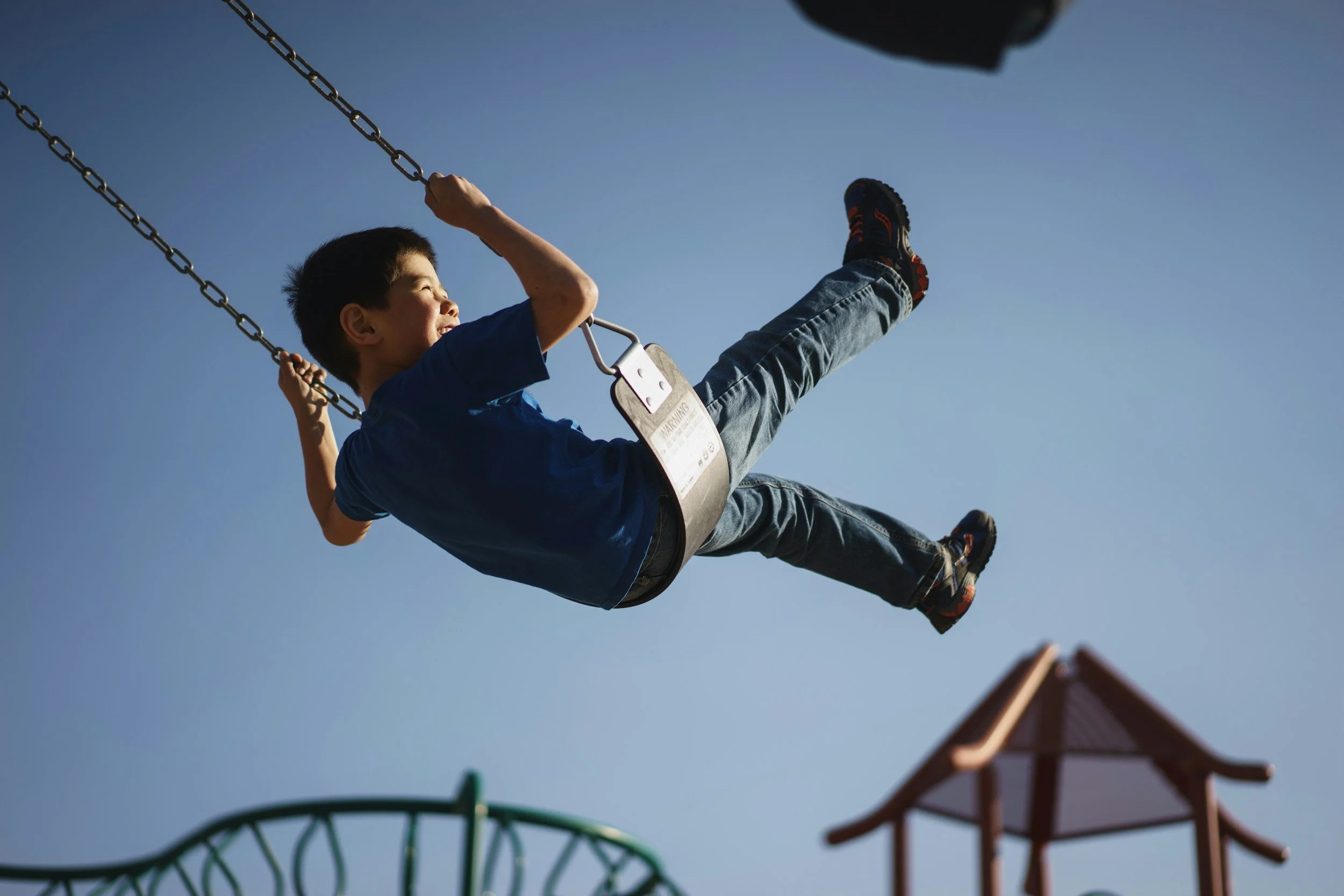
Active, healthy movement (going on walks, playing at the park, sports)
Having open, non judgemental conversations with a parent or caregiver where all emotions are validated
Writing, listening to music, drawing
Cuddling with a pet
Inhaling deeply through the mouth for four seconds, holding one’s breath for another four seconds, slowly exhaling through the nose for another four seconds, and repeating. This technique is known as square breathing, and it can quickly reduce intense emotions.
Professional support can make a significant difference. At Thrive Child Psychology, we help children understand what is happening beneath the urge to self-harm and teach them safer, more effective ways to cope with big emotions. Therapy focuses on building emotional language, improving distress tolerance, and strengthening problem-solving skills so your child has alternatives when feelings become overwhelming. We work gently and at a developmentally appropriate level to help children feel understood, supported, and safe.
Parents and caregivers are an essential part of this process. We provide guidance on how to respond calmly and supportively, reduce shame, and create an environment where children feel comfortable sharing their feelings. With the right tools, consistent support, and early intervention, children can learn healthier ways to manage distress and develop resilience, confidence, and hope for the future.
Your Child does not have to struggle with self-harm alone. Thrive has a variety of specialists that will work with your teen to empower them in their recovery!

Additional Resources
